Anxiety, depression and self-harm - are all causes for concern. Factors like academic pressure, social media, family dynamics, and societal expectations, are contributing to these issues. It's therefore crucial for parents and caregivers to take action early, remove the stigma around discussing mental health, and offer accessible support to address these issues and the wellbeing of their children.
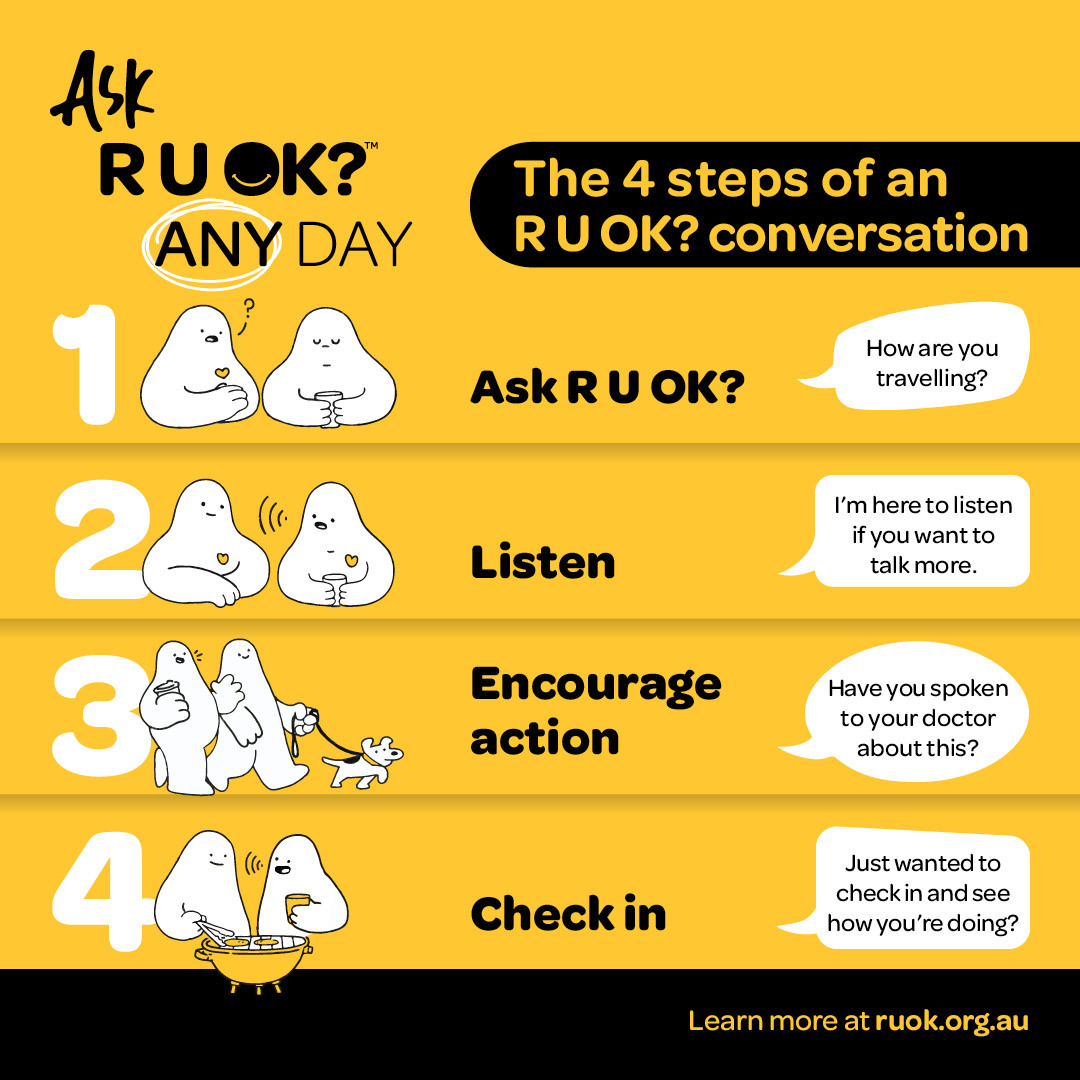
R U OK? Day is an initiative that focuses on preventing suicide by encouraging meaningful personal connections and helping informal support networks to help recognise the signs of distress. We urge all families to take part, emphasising the value of genuine human relationships and reminding everyone to ask the important question, "Are you OK?"
Engaging in R U OK? Day activities goes beyond the classroom; it's a commitment to our students' overall development. By talking openly about mental health, schools create safe spaces where students feel understood, valued, and supported. As parents and caregivers, you can contribute by fostering open conversations, normalising feelings and breaking down mental health stigmas. Participating in R U OK?Day promotes compassion and shows our dedication to the wellbeing of the entire school community, reaffirming that together, we can truly make a difference.
This Special Report provides guidance on how to talk to your child about mental health and engage in meaningful discussions.
We hope you take time to reflect on the information offered in this edition of SchoolTV. If you do have any concerns about the wellbeing of your child, please contact your child’s Head of House, Year 9 Director / Head of Community or Wellbeing Support Service for further information or seek medical or professional help.
Here is the link to your special report:
https://notredame.vic.schooltv.me/wellbeing_news/special-report-r-u-ok-day
The shift from school to work, managing finances, and making important life decisions can create significant anxiety. Young people often feel uncertain about their future, worried about meeting expectations and navigating a world that suddenly demands more independence. This pressure can lead to stress, self-doubt, and feelings of isolation.
One common struggle is knowing who to turn to for advice. Parents may not always understand the modern challenges young adults face, and peers, while supportive, might also be uncertain themselves. Trusted mentors, counsellors, or community services can offer guidance, helping young people feel heard and supported during this pivotal time.
A valuable resource available to our young people is Headspace, a national youth mental health foundation. Headspace provides free and confidential support tailored to young people aged 12 to 25. Their services include counselling, mental health advice, and assistance with education, employment, and relationships. By offering a safe space to discuss anxieties and explore solutions, Headspace empowers young people to build resilience and confidently step into adulthood with support behind them. Access to such services is crucial in easing the transition and ensuring no young person feels alone in facing life’s demands.
The Wellbeing Support Service.