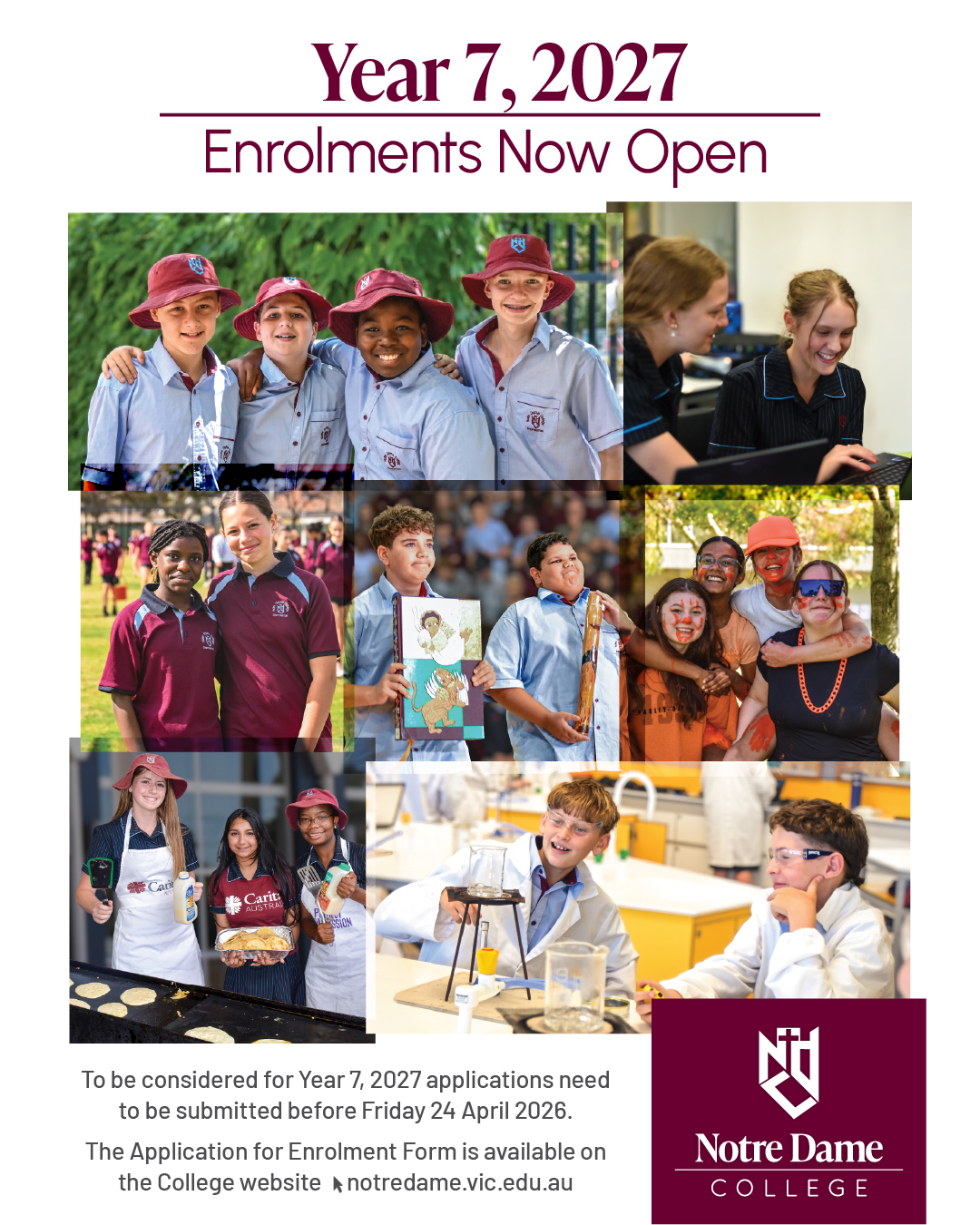
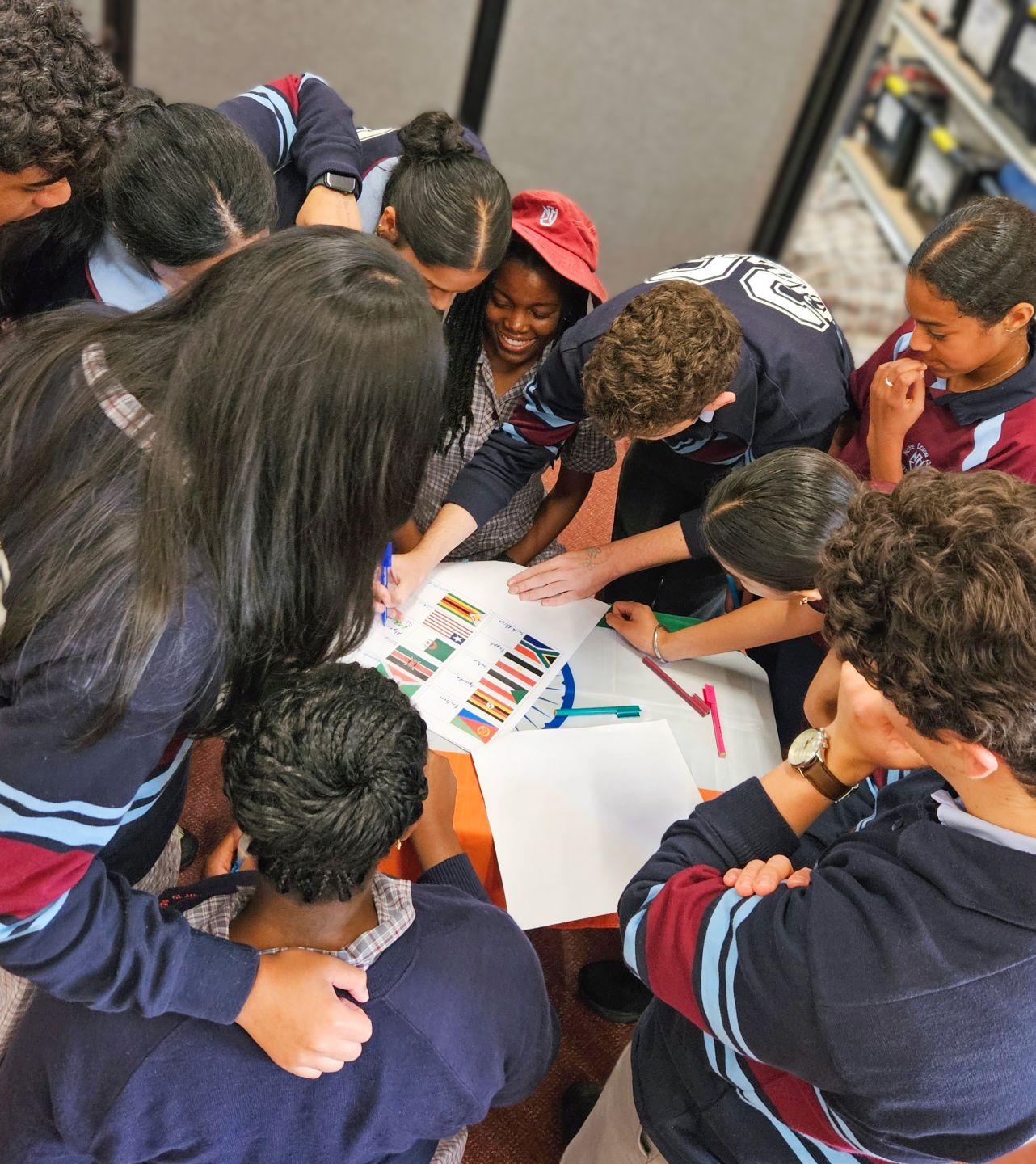
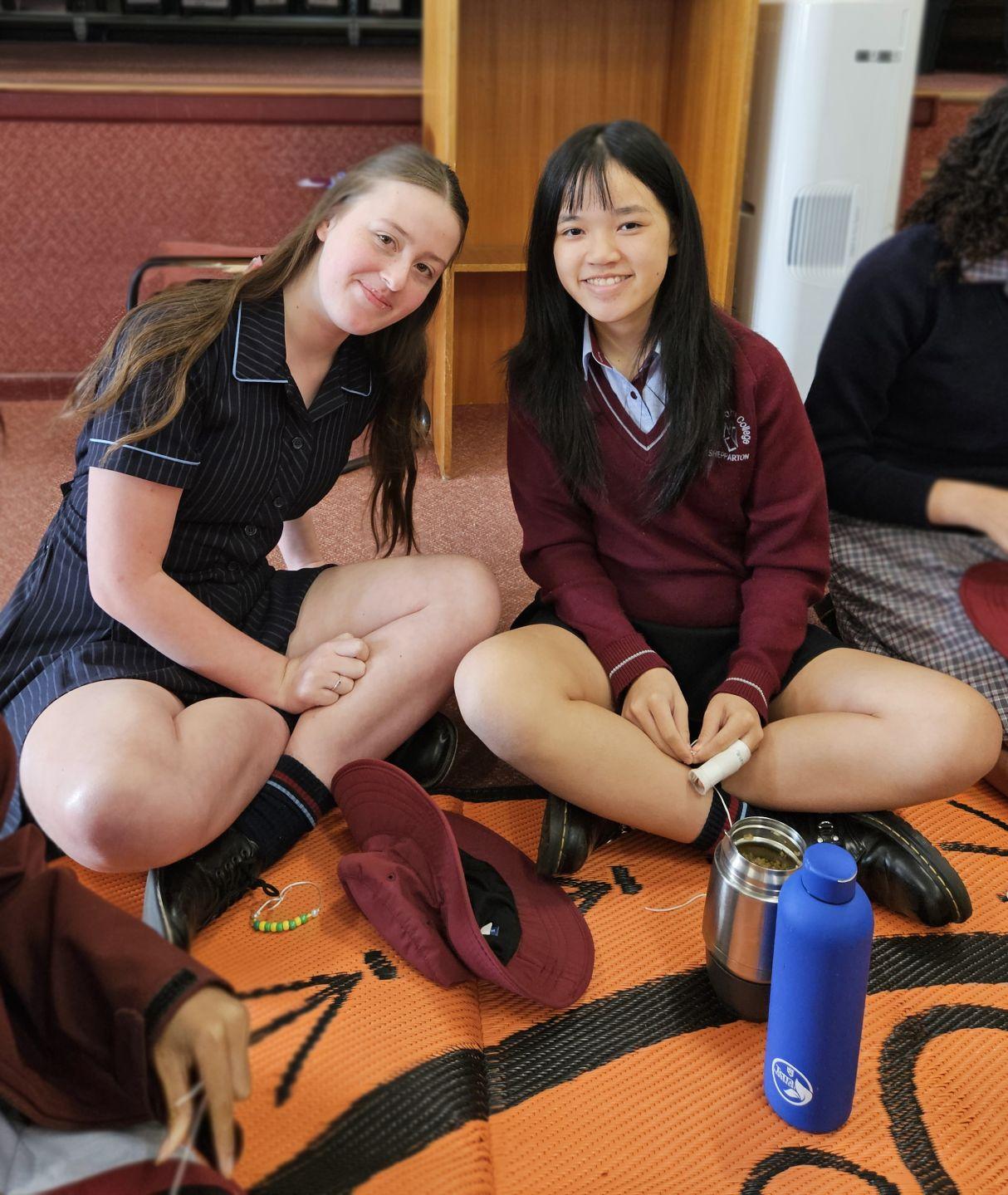
While we use a range of information to support learning, it is important to remember that your child is not just a number. We take a holistic approach to student development, recognising that each student is an individual with unique strengths, interests and needs. We value the whole child — their learning, spirituality, wellbeing, relationships and personal growth.
We also value the voice of our students. Teachers regularly ask students for feedback about their learning and classroom experiences. Hearing directly from students helps teachers reflect on their teaching and make changes that support engagement, understanding and student wellbeing. Understanding how students are feeling, their sense of belonging, and how connected they feel to school helps us support the whole student. This information allows staff to identify when extra wellbeing support may be helpful and helps ensure students feel safe, supported and part of the school community.
Using this information helps teachers make informed decisions about teaching and learning. It ensures classroom practices respond to student needs and that learning programs continue to improve as students grow and develop. We gather learning information from a range of sources including NAPLAN and Progressive Achievement Tests (PAT) in Mathematics, Reading and Spelling. These assessments help teachers understand how students are progressing over time. When this information is considered alongside classroom assessments, teacher observations, student feedback and wellbeing data, it helps teachers build a clear picture of each student’s learning and identify the best ways to support their progress.
By using a range of information, we can make sure teaching decisions are guided by evidence and that every student is supported to reach their full potential.
If you have any questions about how this information is used at the College, please feel free to contact me.
Lena Cross
Data Improvement Leader